

Three things in this guide have affiliate links — the changing robe, the flask, and the neoprene gear. They’re all kit I actually own and use.
The first time I went to an outdoor sauna, I wasn’t sure what to take.
It was February, and I was going with a wild swimming group for a sea dip and sauna session. As soon as I booked it, I started wondering:
Do I need a changing robe? What do people wear? How do you actually get changed outside? Am I supposed to buy loads of special gear?
It turns out you really don’t need much at all. I packed the basics, had a great time, and knew straight away I’d be doing it again.
Most people are just trying to stay warm, avoid dropping their towel on anything dirty, and work out where they left their sandals.
If you’re curious and thinking about trying an outdoor sauna at least once, here’s what I actually packed for that first visit, what’s earned a permanent place since, and what you genuinely don’t need.
The quick answer
You probably own most of it already.
Essentials
- Swimwear
- Two towels
- Flask or water bottle
- Sandals or flip flops
- Loose, comfortable clothes
Nice to have
- Changing robe
- Waterproof changing mat or bag
- Spare socks
Don’t buy yet
- Neoprene gear
The things I’d definitely bring
Two towels
The two towels thing is important.
One is for sitting on in the sauna. Many outdoor saunas allow you to pour water over the hot stones to create steam, so it can get surprisingly damp in there.
The second is for drying off afterwards, but it’s also handy for wrapping around yourself when walking to the sea or plunge pool if they’re a bit further away.
At Cellardyke Seaside Sauna, for example, there’s a short walk between the sauna and the tidal pool. I remember feeling a bit self-conscious wandering along in just my swimming costume, so I ended up wrapping my towel around myself.
A drink
Take a water bottle or flask. You don’t need anything special.
When it’s colder, I like taking my Contigo flask so I can have a hot drink afterwards. It keeps drinks hot for hours, which is particularly handy in Scotland.
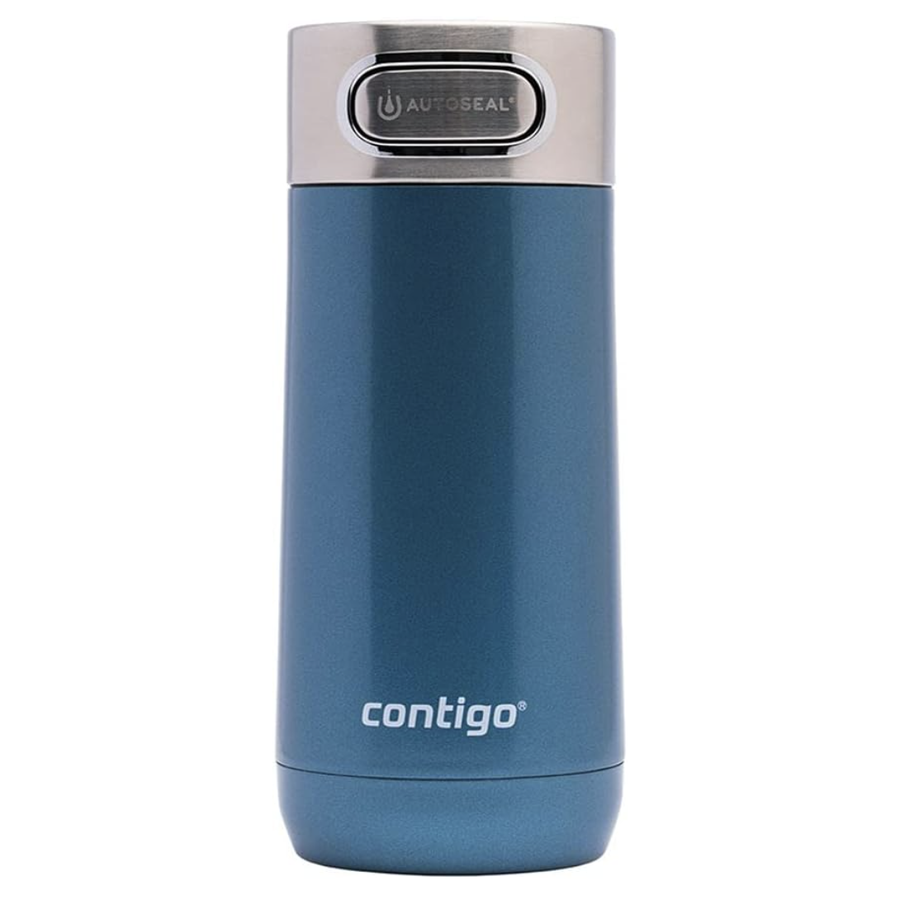
Contigo flask
Already owned, turned out perfect for this
Keeps drinks hot or cold, so it’s useful whatever the season.
AFFILIATE LINK
What to wear
I usually arrive sauna-ready, wearing my swimsuit underneath my clothes.
That way I’m not queuing for a changing hut or losing time getting changed. It is especially useful because outdoor sauna facilities vary: some have private changing huts or cubicles, while others have only a sheltered area or no changing facilities at all.
Loose clothes are easier to pull back on over damp skin, and sandals or flip flops are useful for walking between the sauna and the water.
One thing I have learned the hard way: don’t forget your underwear if you’re going somewhere afterwards.
I did this once and ended up having to buy some in a supermarket because I was too far from home to go back.
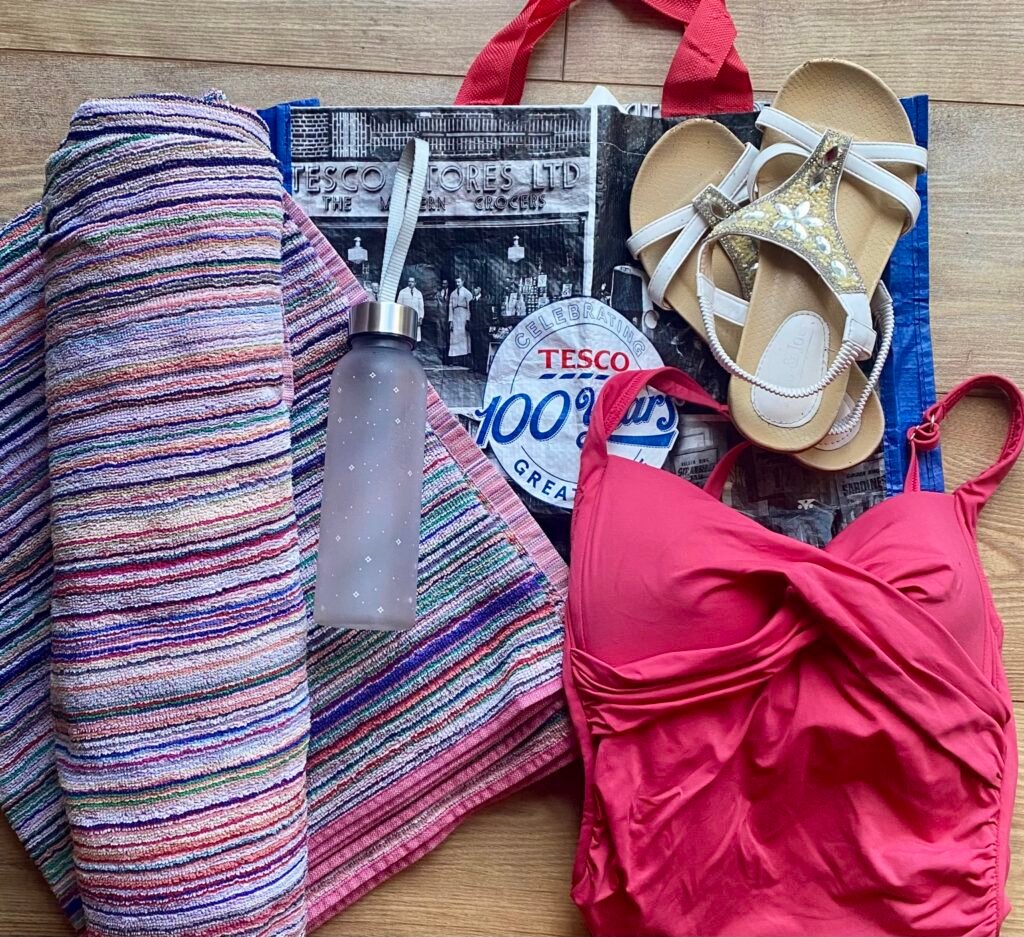
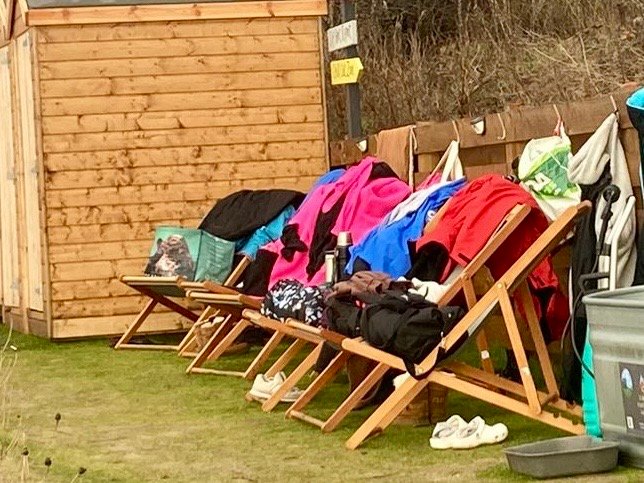
I usually take everything in a simple shopping bag. It also doubles as a changing mat if the ground is muddy, pebbly or damp. I’ve seen wild swimmers using proper waterproof changing mat bags for wet gear, but my shopping bag has done the job perfectly well so far.
Do I need an expensive changing robe for my first sauna?
No.
But I can understand why some people love them now.
The first time I went to a sauna, my wild swimming friends recommended getting a cheaper changing robe to get changed outdoors, just in case I never used it again.
It was good advice, especially when I saw the price of some of them.
I eventually bought a Regatta Great Outdoors changing robe, choosing a cheaper option for my first one.
As it turned out, I became a regular sauna-goer and now use it every time. I found other uses for it too. It comes camping with me, works brilliantly for trips to and from the shower block, and is great for sitting around a fire pit on chilly evenings.
I’ve also seen people wearing them while watching their kids play football in the morning, walking their dog in the wind and rain, or standing around at outdoor events in cold weather. If you spend a lot of time outdoors, you may find yourself using it for much more than sauna trips.
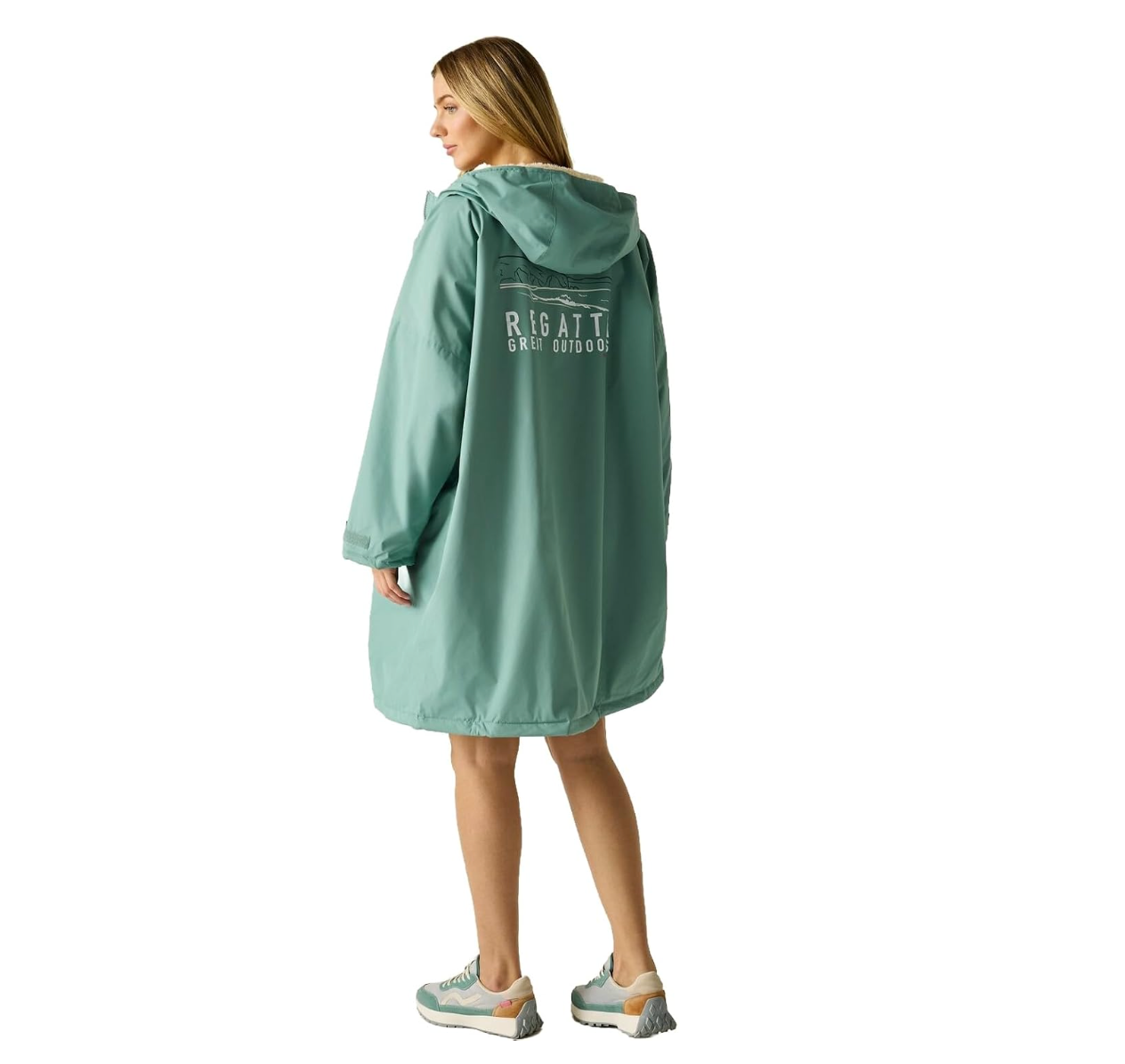
Regatta changing robe
GOOD FOR A FIRST-TIMER
The one I bought for my first changing robe. A good budget-friendly option if you want to try one without spending a lot of money.
AFFILIATE LINK
That said, you don’t need a changing robe to try an outdoor sauna for the first time.
If the sauna has a private changing area, you can simply use that. Some people also use a poncho towel to change outdoors, so you could manage with that.
But if you do want to buy one, you don’t need to spend a fortune. A changing robe makes getting changed outdoors much easier than you might expect. There’s plenty of room inside to dry off and get dressed without flashing anyone, and they’re incredibly cosy, warm and comfortable to wear too.
What about winter sea swimming?
This is where a few extra bits of kit can make a difference.
If you’re actually swimming in the sea or a loch, rather than using a plunge pool, barrel or pod, winter water is seriously cold, and neoprene gear can help.
I used neoprene gloves, socks and shorts for my first sauna visit, in February. They helped a lot in the sea. Extremities feel the cold fastest, and neoprene takes the edge off.
I bought a cheap set rather than anything expensive, since I had no idea whether I’d use it again.
As it turned out, buying cheap was the right call. I was glad of it for that February dip, but didn’t need it again through spring and summer while the water was warmer. I’ll be glad of it again if I’m back in the sea over the winter months.
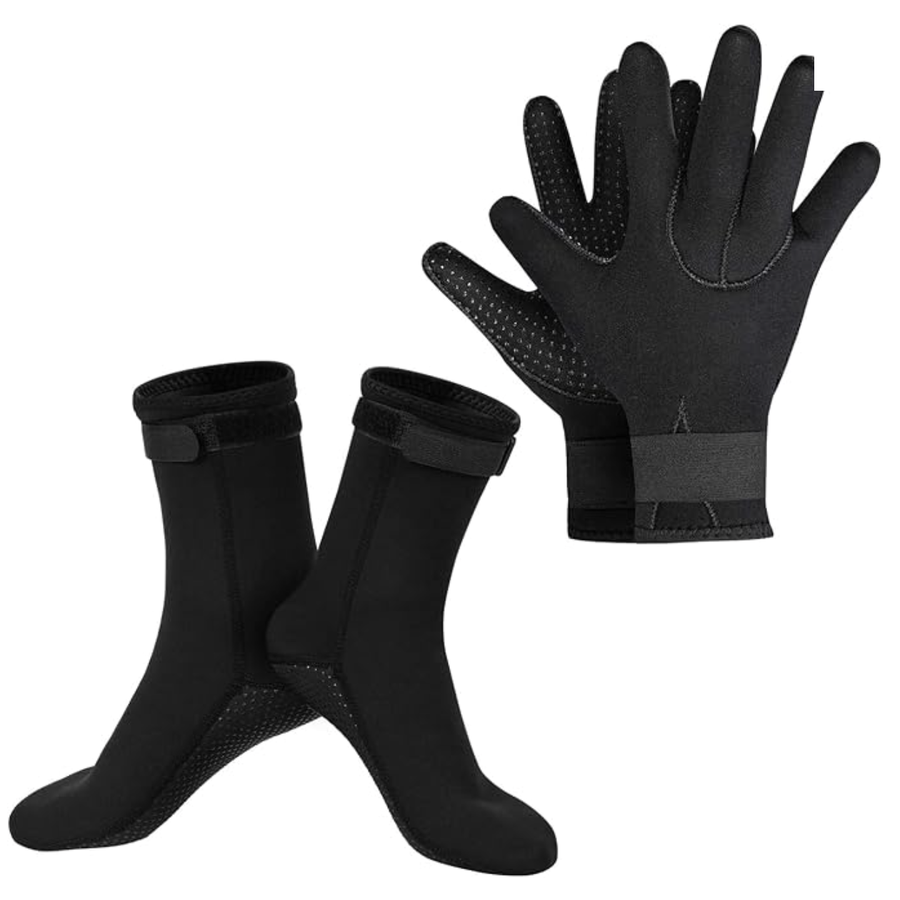
Neoprene gloves & socks
Winter sea dips only
Cheap and it did the job. If you’re only doing this for one winter dip, don’t overspend.
AFFILIATE LINK
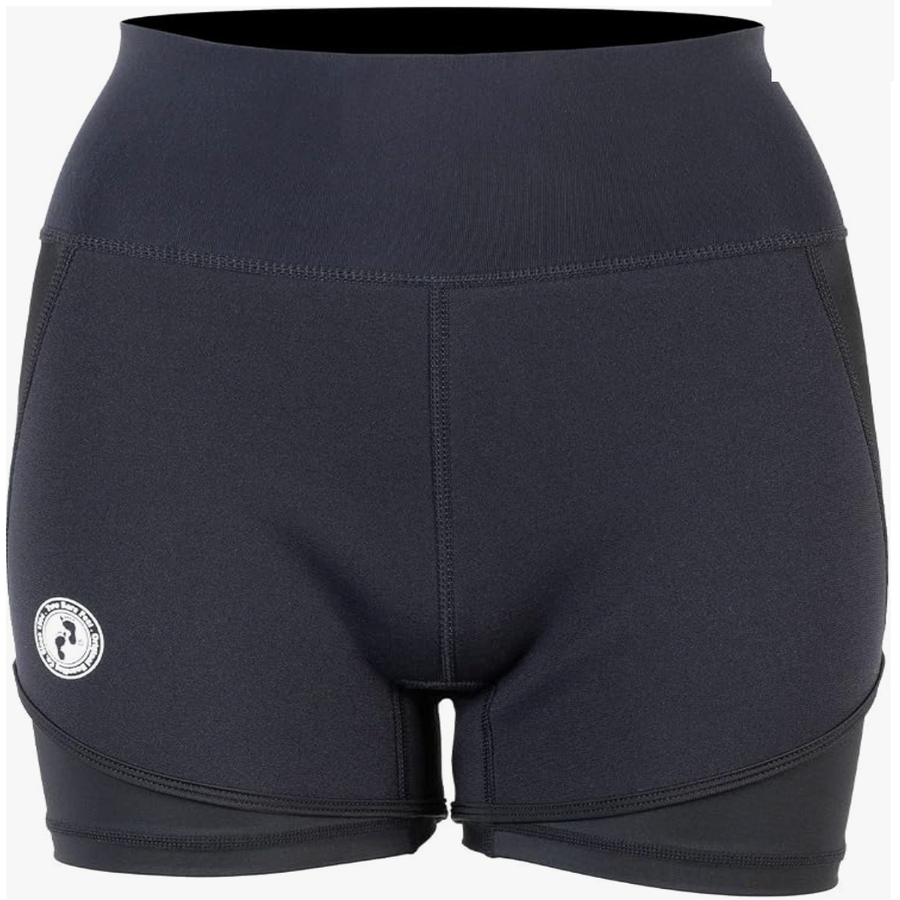
Neoprene shorts
Winter sea dips only
Bought alongside the gloves and socks for that first February dip. Same story, cheap and they did the job.
AFFILIATE LINK
If you’re only doing a plunge pool, a barrel or a pod rather than open water, you probably don’t need any of this at all. You don’t need it for the sauna itself either. In warmer months, normal swimwear is fine.
Things people think they need (but probably don’t)
For most sauna sessions, especially in warmer months, you really don’t need specialist kit.
The same goes for expensive sauna accessories. Sauna hats, branded wellness gear and specialist bags can all be nice eventually, but they’re not essential starting out.
One of the nicest things about wild saunas is that everyone turns up differently. Some people arrive with proper wild swimming gear and seem extremely organised, while others turn up with just two towels and a shopping bag and manage fine.
Nobody really cares.
Final thoughts
You really don’t need loads of expensive gear to enjoy a wild sauna.
For a first visit, I’d keep it simple:
Swimwear. Two towels. Something to drink. Sandals. Comfortable clothes.
That’s enough.
If you’re going into cold open water in winter, you might want to add some neoprene. If you start going regularly, you may decide a changing robe is worth having. But you don’t need to buy everything before you’ve even tried it.
Most people are just trying to stay warm, get changed without flashing everyone accidentally, and enjoy the experience.
After a few visits you’ll develop your own routine and work out what suits you. You can absolutely turn up with a shopping bag and still have a brilliant time.
Read next
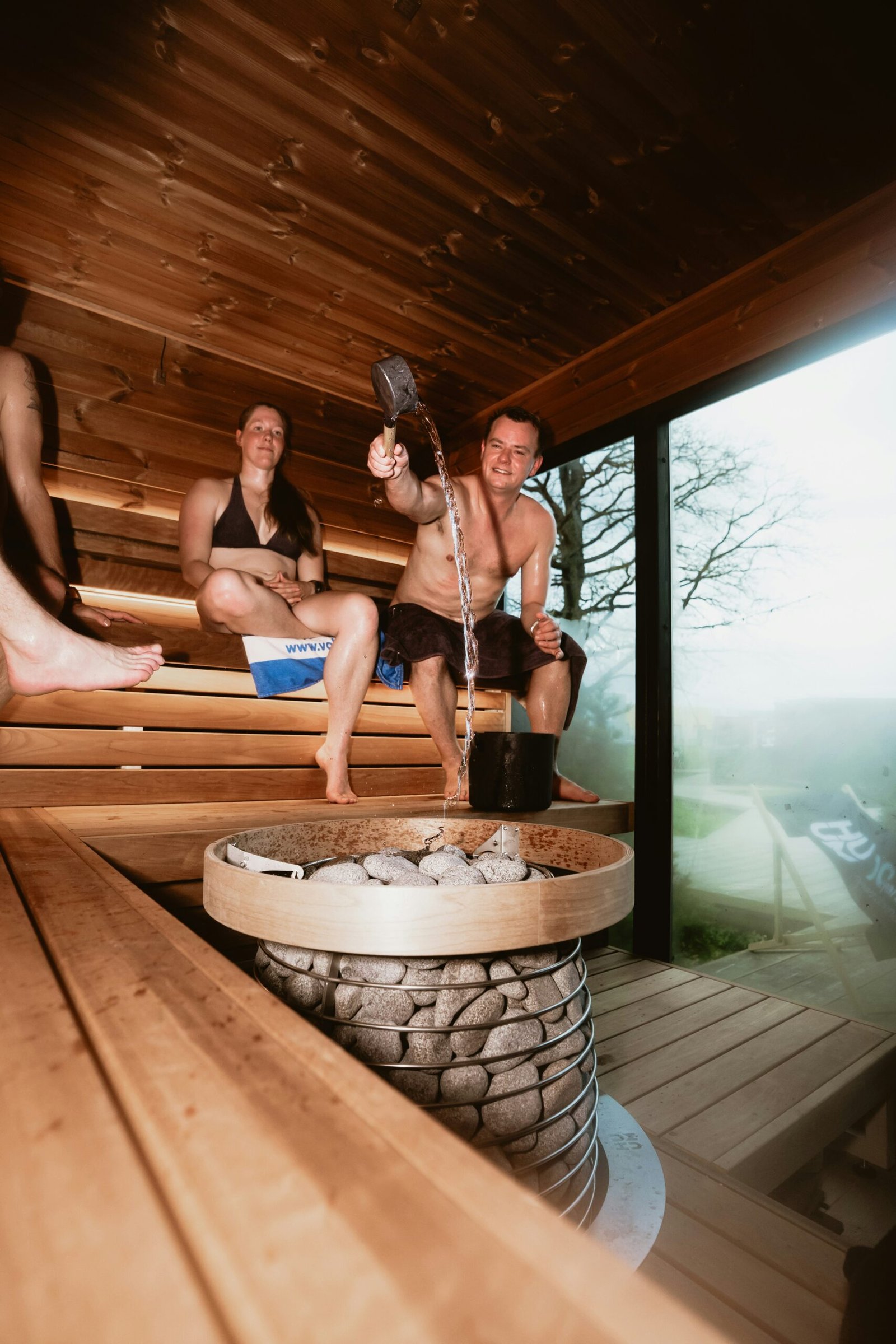
What is a wild sauna?
A simple guide to what wild saunas are, how the hot-and-cold experience works, and what to expect from your first visit.
Explore saunas across Scotland
Browse locations by region, with guides to help plan your visit.
Stay curious
New sauna spots, experiences, guides, and stories from Scotland’s outdoor sauna scene.