
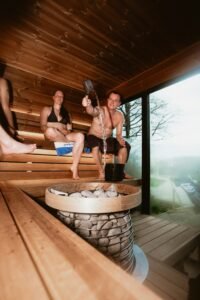
A wild sauna is a wood-fired sauna placed in a natural setting — beside the sea, overlooking a loch, or set among trees. Instead of a spa or gym, you’re somewhere open, often right beside the water you’ll cool off in.
The experience is simple in practice. You move between heat and cold, at your own pace, for around an hour. It might sound extreme at first, but it’s far more manageable than it sounds — and often unexpectedly enjoyable.
If you’ve come across outdoor saunas in Scotland and wondered what they’re actually like, this guide breaks it down from the heat to the cold water and everything in between.
What is a wild sauna?
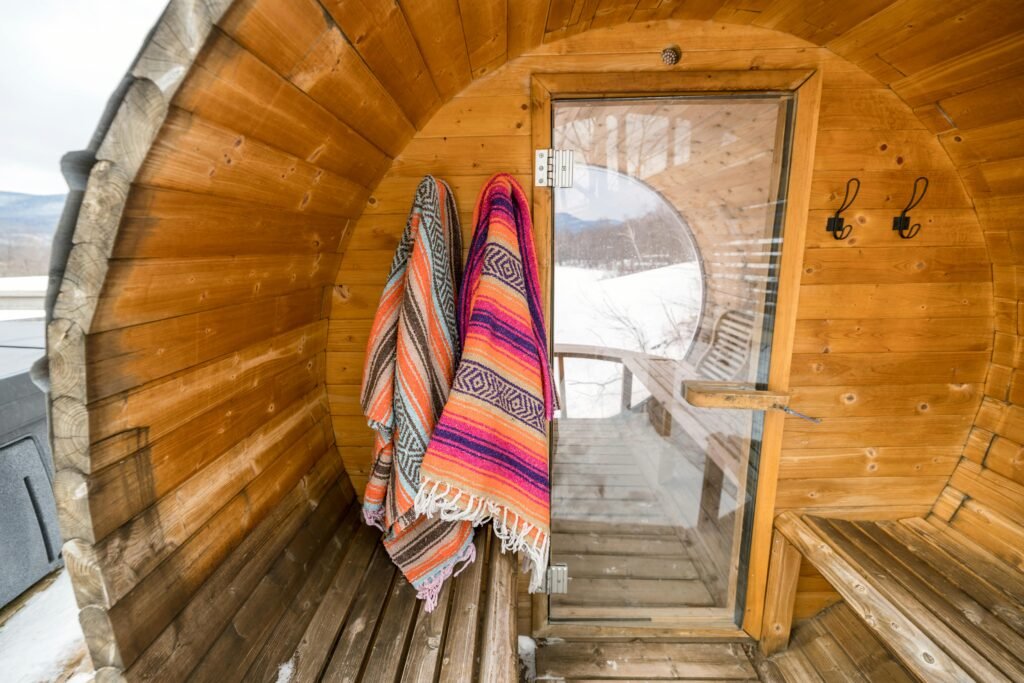
A wild sauna can take different forms — purpose built wooden structures, converted horseboxes, even pop-up tents. Most are minimal in their setup. What they share is the setting: somewhere natural, often right beside the water you’ll cool off in.
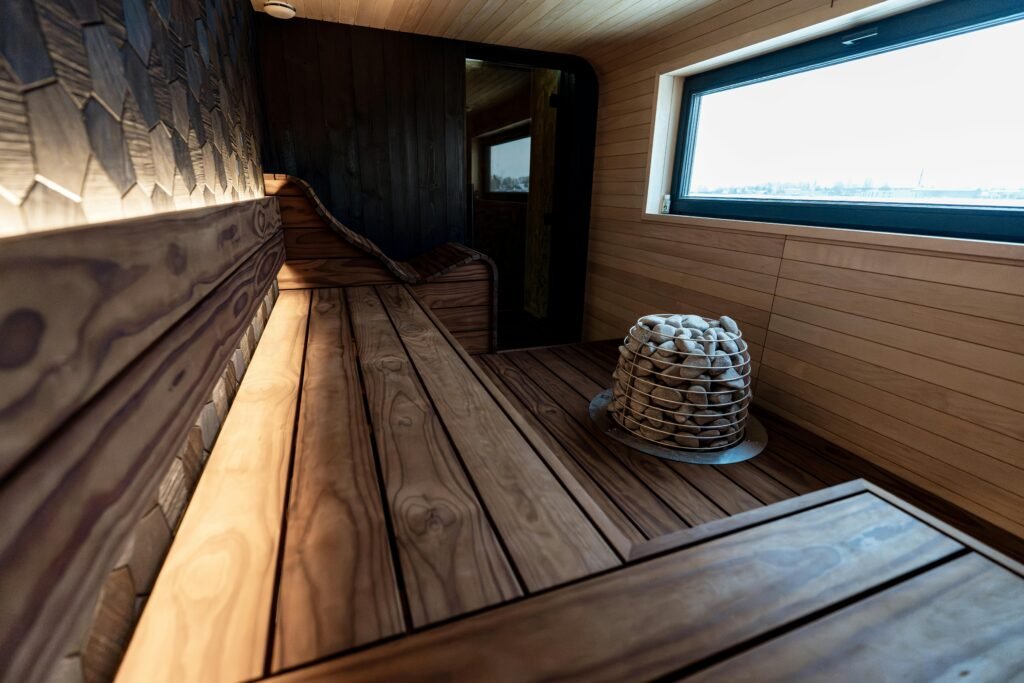
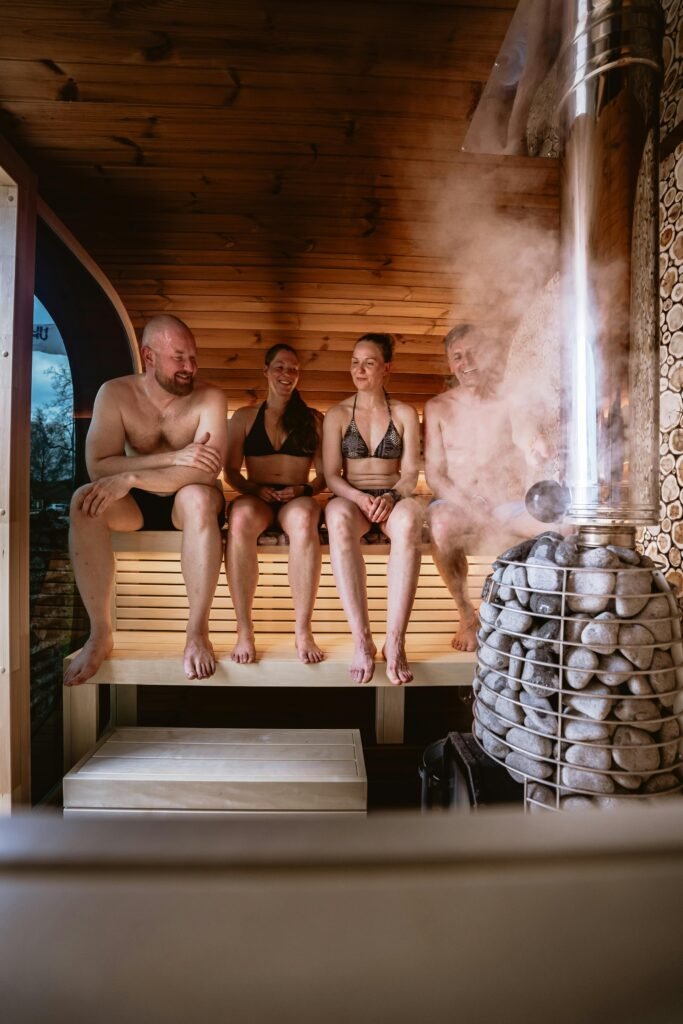
Inside, a stove heats stones and there’s simple wooden seating. Water poured over the stones creates steam, increasing both heat and humidity. The space is small and heats up quickly.
What makes it feel different from a gym or spa sauna is how it’s used. Rather than sitting in one environment, you move between heat and cold — spending time inside, then stepping out to cool down before returning again. That rhythm is at the centre of it.
It’s not about pushing yourself or staying in as long as possible. You find a pace that feels comfortable and follow it.
Small details often add to the experience — essential oils in the steam, orange slices passed around, salt scrubs available to use. Nothing elaborate, just touches that make it more memorable.
How a wild sauna works
At the centre of it is a simple cycle. Heat, cool down, then return to the heat.
Time in the sauna
You sit in the sauna for as long as feels comfortable. It heats up quickly, so for most people this is around 10 to 15 minutes.
After a while, you stop thinking about timing and simply respond to how you feel. When it becomes too hot, that is your cue to step outside.
Cooling down
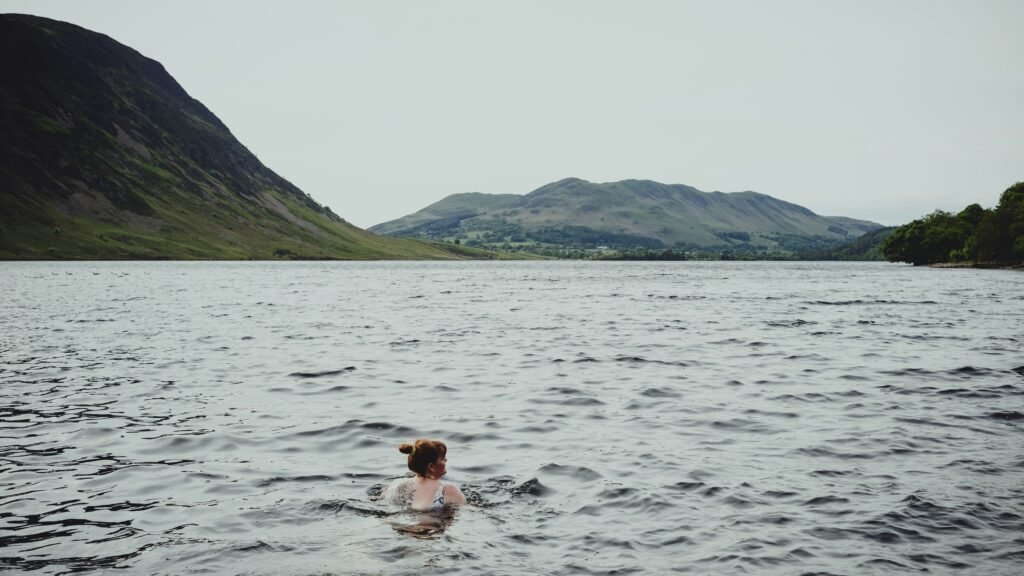
Cooling down can take different forms. At coastal saunas you might walk straight into the sea. At loch saunas there are often ladders or a small pier. Others have plunge pools or cold baths. If none of that appeals, simply standing outside in the fresh air works too — your body cools naturally without any cold water at all.
The moment you step outside is often better than expected. Most people describe it as energising rather than cold.
Returning to the heat
You then go back into the sauna. Because your body has cooled, the heat feels more manageable going back in. The contrast becomes more noticeable each time.
Most people do two to four rounds in a session, gradually finding their own rhythm. There’s no fixed routine and no pressure to stay in longer than feels comfortable. You simply follow what feels right.
What it really feels like
Inside the sauna
The heat builds quickly. Within a few minutes your focus narrows to your breathing, your skin, and the air around you. It’s not relaxing in the usual sense — it holds your attention. In a way it feels closer to meditation than rest.
The cold
Stepping into cold water is a shock at first. It can take your breath for a moment. Focusing on steady breathing helps — once that initial reaction passes, the intensity settles and becomes much easier to manage.
After a few rounds
After a couple of cycles something shifts. The contrast starts to feel familiar. The cold becomes less something to get through and more something you start to look forward to. When you step out you feel tingly and alert rather than cold.
The social side
There’s also a quiet social element. You share the space with others, whether you speak or not. Conversation can happen easily, but silence feels just as natural.
By the end most people leave feeling clear-headed and energised — as though they’ve properly switched off for a while.
Do you have to go in the water?
No — it’s completely optional.
Cold water is a big part of the experience for many people, but you can cool down just as well by stepping outside into fresh air or sitting for a few minutes between rounds. At most saunas there’s also a plunge pool or cold bath if you want something in between.
If you’re curious about cold water but unsure, you can ease into it gradually. At coastal saunas some people start by just paddling or dipping their feet. Even brief exposure can feel like enough at first.
Your first visit — what to expect
It’s normal not to know exactly what to do on a first visit. In practice it’s usually very straightforward.
Most sessions run for around an hour. You arrive, get changed, and start at your own pace — there’s no strict structure and no pressure to do anything in a particular order.
A few things worth knowing before you go:
Most saunas have a host who’ll explain how everything works when you arrive, so you don’t need to figure it out alone.
Going with someone else can help, but plenty of people go alone — especially to social sessions where you share the space with a small group.
After the first round or two it starts to feel natural. You get a sense of how long to stay in, how to cool down, and what feels comfortable. By the end most people wonder what they were worried about.
If you’re based in Scotland and looking for somewhere to try, the guide on this site lists wild saunas by region — so you can find something close to you.
Is it safe?
For most people, yes — when approached sensibly.
Listen to your body. If you feel lightheaded or uncomfortable, step out. Staying hydrated helps, especially when moving between heat and cold.
If you’re trying cold water for the first time, take it gradually and focus on steady breathing. Don’t rush in.
If you have underlying health conditions, particularly heart or circulation related, it’s worth checking with a doctor beforehand.
The British Sauna Society has a useful guide to sauna and cold water safety if you’d like to read more before your first visit.
That’s broadly it. Most people find it far more manageable than they expected.
Most venues provide guidance on what to bring before your visit.
Read next
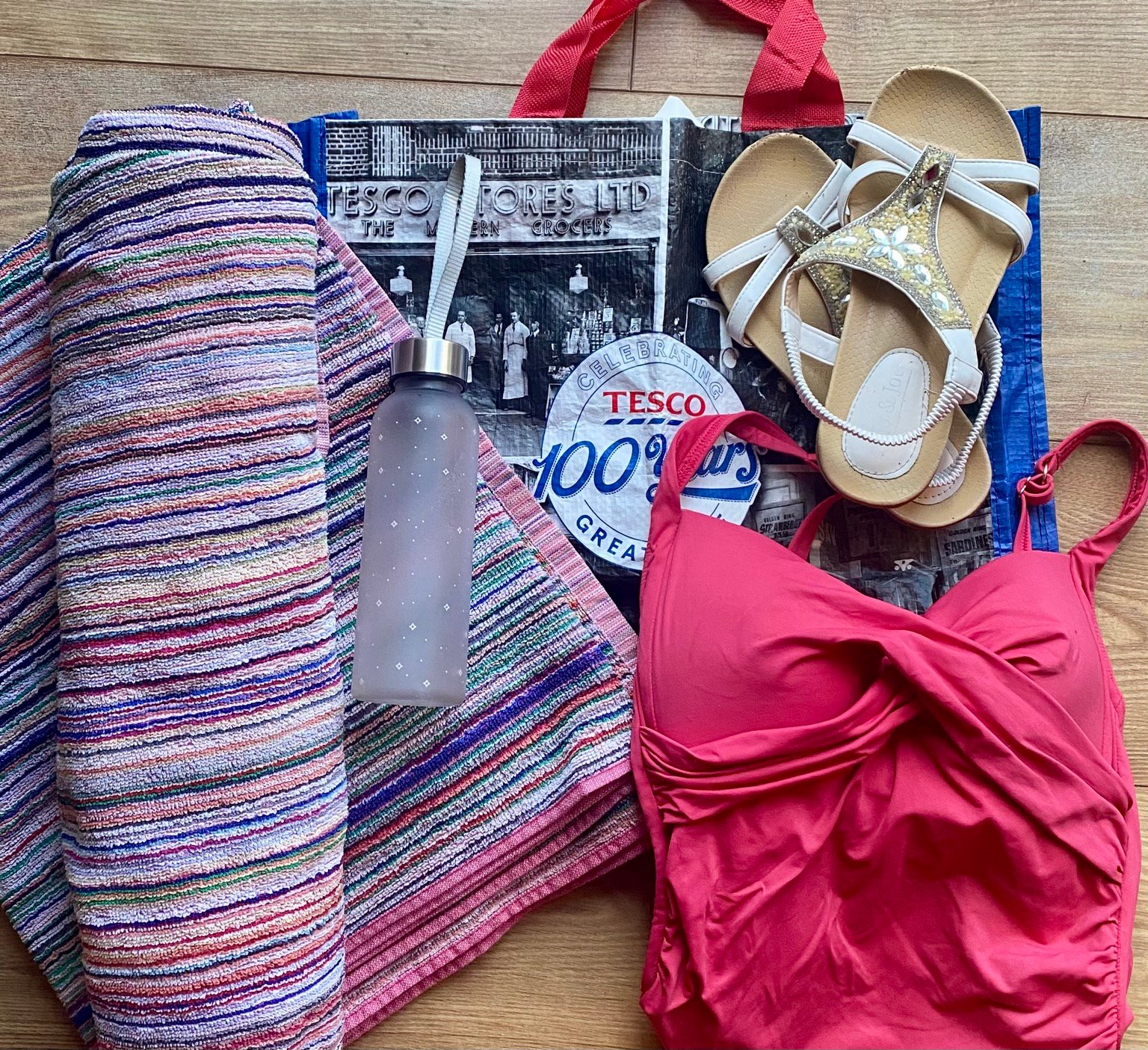
What to Bring to a Wild Sauna (Without Overthinking It)
Everything you actually need for your first visit, what’s worth buying later, and what you can skip entirely.
Explore saunas across Scotland
Browse locations by region, with guides to help plan your visit.
Stay curious
New sauna spots, experiences, guides, and stories from Scotland’s outdoor sauna scene.